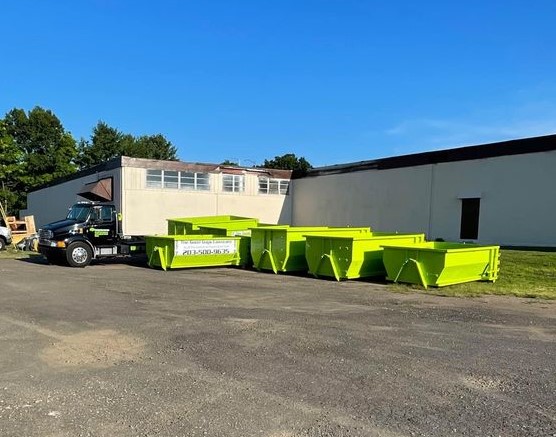
Undertaking a large renovation, home cleanout, or construction task can feel thrilling yet overwhelming. Effectively managing your project requires careful planning for proper debris disposal. Failing to plan debris management can lead to clutter, delays, and unsafe conditions. Properly estimating the dumpster size ensures your project stays organized, efficient, and hazard-free.
At The Good Guys Dumpster Rental LLC, our team guides clients to choose the right dumpster based on project needs. Our team assists in evaluating the expected volume of debris, the types of materials you are discarding, and the duration of your project to recommend the best dumpster for your needs. Whether you are doing a home cleanout, remodeling a kitchen, or tackling a construction project, we provide guidance that ensures a smooth and efficient process. We are committed to making waste disposal simple, safe, and effective for every client.
Evaluating the Scope of Your Project
The first step in estimating a dumpster size is evaluating the full scope of your project. Take into account all spaces generating waste, including rooms and work areas. Are you dealing with furniture, cabinets, or old flooring removal? Or is this part of a larger construction or renovation task? Understanding the scale and nature of the project helps identify how much space will be required in the dumpster and prevents surprises later on.
Dividing your work into individual tasks makes it easier to estimate debris volume. If several spaces are being renovated, estimate the debris for each one separately. This method ensures precise planning and may eliminate the need for extra containers. Thorough assessment ensures efficiency and safety while keeping your project on track.
Identifying Material Types
Identifying the debris types is essential to choose the correct dumpster. Household cleanouts often involve furniture, appliances, and miscellaneous items, while renovation projects might include drywall, wood, or tiles. Construction work can produce heavier materials like concrete, metal, and roofing debris, which may require reinforced containers to handle the weight safely.
Identifying the debris composition ensures safer, more effective waste management. Hazardous items and electronics require careful handling and are not suitable for standard dumpsters. Considering these needs prevents overflowing and maintains compliance with local regulations. Awareness of material types helps utilize space efficiently and minimizes risk.
Determining How Much Space You Need
Once you know what materials you have, the next step is to estimate debris volume. Think about the volume each part of the project will create and whether items can be broken down. Breaking down furniture or large boards can free up more space in the dumpster. Properly estimating volume guarantees the container can hold everything and prevents multiple pickups.
It’s helpful to list all items and approximate the space each will take up. Visualizing the arrangement of debris in the dumpster can improve packing. This preparation allows you to load efficiently and avoid overfilling. Accurate estimation not only saves time but also enhances safety, as overcrowded dumpsters can become a hazard at your project site.
Considering Project Duration
Your project timeline greatly influences dumpster selection. Extended projects often produce debris slowly, while short, intensive projects can create a lot of waste at once. Knowing your schedule helps ensure the dumpster can hold all materials for the full project period. Advance planning avoids delays and maintains a tidy work area.
Scheduling your dumpster delivery and pickup according to your timeline is crucial. By scheduling the container to arrive before work begins and arranging timely pickup, you avoid clutter and maintain efficiency. Matching the dumpster rental to your project timeline keeps your team focused and minimizes delays. Well-planned scheduling promotes a seamless and productive project flow.
Project-Specific Dumpster Requirements
Specific types of work demand careful consideration local dumpster rental near me North Branford CT for dumpster choice. Roofing projects or demolition work may involve heavy, sharp, or bulky materials that require reinforced containers. Gardening and landscaping projects may produce sizable amounts of organic debris needing extra space. Understanding these unique demands ensures that you select a dumpster that can handle the materials safely and efficiently.
Considering unique project requirements ensures safety and workflow efficiency. Accounting for debris size, weight, and placement improves safety and efficiency. We guide clients to ensure their container fits the unique requirements of the project. This tailored approach makes waste management easier and keeps your work area organized throughout every phase of the project.
How to Use Your Dumpster Effectively
Maximizing the efficiency of your dumpster rental can greatly improve your project’s workflow. Break down bulky items and stack them strategically to save space. Place dense materials on the bottom and lighter items on top for balance. Do not put hazardous or restricted items in the dumpster to maintain safety.
Our team provides guidance for efficient and safe container use. Organized loading and careful placement ensure the dumpster is used efficiently. Applying these strategies can prevent the need for extra dumpsters and streamline disposal. Smart dumpster management keeps the site organized and allows the team to work efficiently.
Managing Debris Across Multiple Projects
Handling multiple concurrent projects requires strategic planning for waste management. Separate containers may be needed for different types of waste to prevent mixing and ensure compliance with disposal regulations. Planning ahead allows you to allocate the right container for each task, keeping each workspace organized and safe.
We provide support for managing several dumpsters across different projects. By mapping out which container goes where, you can avoid confusion and ensure each area remains clear of debris. Proper planning across multiple projects reduces clutter and creates a safer environment for workers and residents. Thoughtful planning supports a smooth and organized work process.
Planning Your Dumpster Rental
Choosing the correct dumpster ensures your site remains safe, clean, and well-managed. Take into account the project size, material types, debris volume, and timeline. Pay attention to special considerations and loading techniques to maximize efficiency. By following these steps and working with The Good Guys Dumpster Rental LLC, you can ensure your project runs smoothly with effective waste management from start to finish.